Patients consent to minor procedures every day: biopsies, injections, outpatient surgeries, scope procedures, etc. There’s a reasonable expectation that the risk is low and the recovery will be straightforward. Most of the time, that’s true. But when something goes wrong during a procedure a physician described as routine, patients are often told the same thing:...
Informed Consent: What Doctors Are Required to Tell You Before a doctor performs a procedure, prescribes a treatment, or recommends surgery, they’re legally and ethically required to do more than just tell you what they plan to do. They need to make sure you understand it—and that you’ve agreed to it. This is the principle...
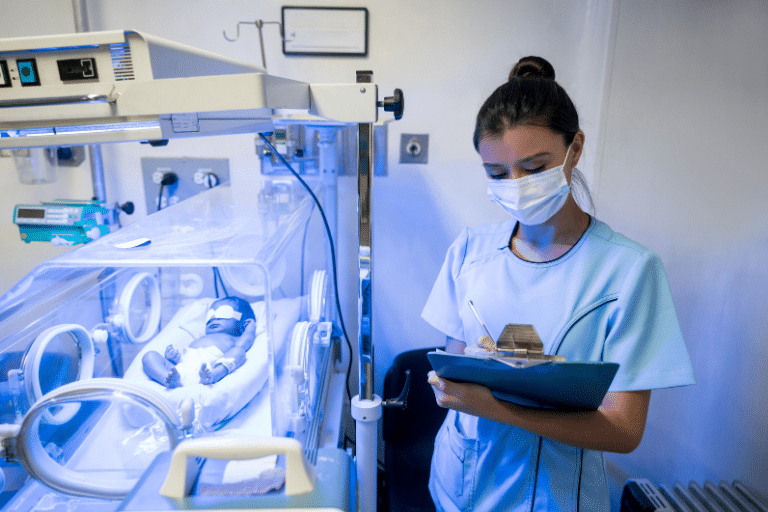
Crib Fall in the NICU: Understanding Parental Rights After a Tragedy The NICU is supposed to be the safest place for the most vulnerable babies—a sanctuary where premature infants and critically ill newborns receive round-the-clock specialized care. Then the phone call every parent dreads arrives: “Your baby has fallen from their crib.” Your heart stops...
You trusted the hospital to give you the right medication at the right dose. Instead, a nurse administered ten times the prescribed amount of blood thinner, sending you into a life-threatening hemorrhage. Or maybe they gave you medication meant for another patient, causing a severe allergic reaction that landed you in intensive care? Hospital medication...
The medical team made a serious error that injured you, but when you try to prove what happened, their story suddenly changes. The chart now shows they provided perfect care. But here’s what they don’t want you to know: when medical professionals alter records after an injury occurs, they often make mistakes that actually strengthen...
Emergency rooms are high-pressure environments where life-and-death decisions happen in seconds. But when these critical care centers fail to provide the standard of care patients deserve, the consequences can be devastating. If you or a loved one has suffered harm due to emergency room negligence, understanding the four essential elements you need to prove can...
When it comes to medical malpractice, timing and accuracy are everything. A wrong or late diagnosis can mean the difference between a full recovery and a lifetime of complications—or worse. But while both misdiagnosis and delayed diagnosis can lead to serious harm, the legal issues surrounding them are slightly different. If you’ve been impacted by...
Nursing homes provide care to elderly and vulnerable individuals who require medical attention and assistance with daily activities. Unfortunately, some residents are victims of medical malpractice. Medical malpractice occurs when a healthcare provider’s negligence or failure to meet the accepted standard of care results in harm to a patient. In nursing homes, this can involve...
Ohio’s high infant mortality rates have long been a subject of concern, for residents and lawmakers alike. Former Ohio state senators Shannon Jones and Charleta B. Tavares set aside their party differences 11 years ago, in an effort to lower the maternal mortality rates. They recently co-authored an article on their efforts then—and what still...
We depend on our healthcare providers to make timely and accurate diagnoses. When your doctor fails to diagnose a condition, the consequences can be far more severe than they might have been otherwise. Delayed diagnosis is not just a medical oversight—it can be medical malpractice. What is a delayed diagnosis? A delayed diagnosis occurs when...