
You’re driving next to a semi-truck on the highway. Then, the truck starts drifting into your lane. You honk but nothing changes. The vehicle keeps coming, and you’re forced onto the shoulder to avoid being crushed. The driver never saw you—not because they weren’t looking, but because you were in one of the truck’s massive blind spots.
These “No-Zones” and the wide turning radius of commercial trucks are responsible for thousands of collisions every year. The more you know about how they work, the more you can protect yourself.
The Reality of Truck Blind Spots
Commercial trucks have four major blind spot zones where passenger vehicles completely disappear from the driver’s view:
- Front blind spot: Extends roughly 20 feet directly in front of the cab
- Rear blind spot: Extends up to 30 feet behind the trailer
- Right-side blind spot: Runs the entire length of the truck and extends two lanes over
- Left-side blind spot: Covers one full lane alongside the truck
Mirrors help, but they don’t eliminate these zones. A sedan, motorcycle, or even a small SUV can vanish completely in these areas, and no amount of mirror checking will reveal you’re there.
A Wide Turning Radius Creates Danger
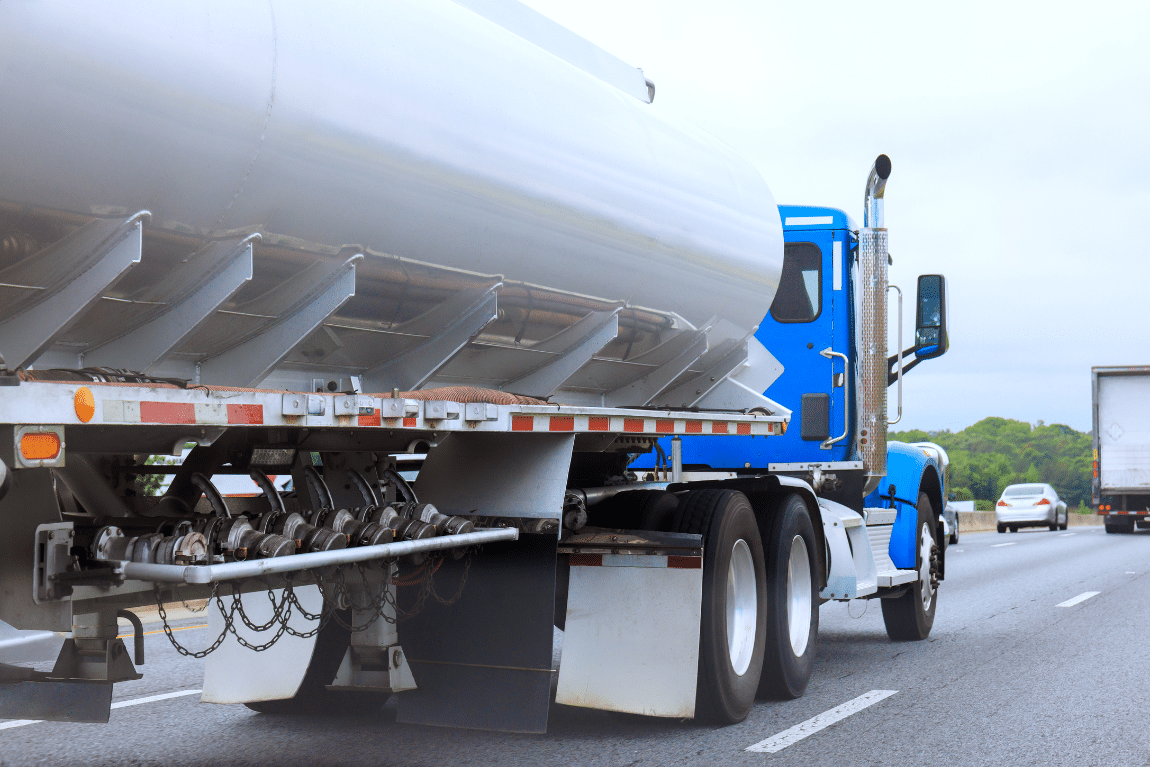
An 80-foot semi-truck needs far more space to turn than most drivers realize. To make a right turn, truck drivers often swing left first to create clearance for the trailer. Drivers behind them see this leftward movement and assume the truck is changing lanes, so they try to pass on the right—directly into the path of the turning trailer.
Right-turn collisions are particularly deadly for cyclists, pedestrians, and motorcyclists who get caught between the curb and the trailer. Left turns are just as dangerous when trucks misjudge gaps, fail to yield, or turn too wide and collide with oncoming vehicles.
When Truckers Fail to Operate Safely
Passenger vehicle drivers should stay out of blind spots and give trucks plenty of space to turn. But truckers have professional responsibilities that go beyond what’s expected of regular drivers:
- Check blind spots multiple times before changing lanes or turning
- Use turn signals well in advance of any maneuver
- Operate trucks equipped with functioning mirrors and safety equipment
- Invest in available technology like blind spot cameras and collision avoidance sensors
When a truck driver fails to properly check blind spots, misjudges a turn, cuts a corner too tight, or operates without functioning safety equipment, that’s negligence.
The Law Offices of Tim Misny can help you with your truck collision claim. When a commercial driver’s negligence causes a serious crash, I’ll Make Them Pay!® Call my office at (877) 614-9524 so that I can evaluate your case right away.